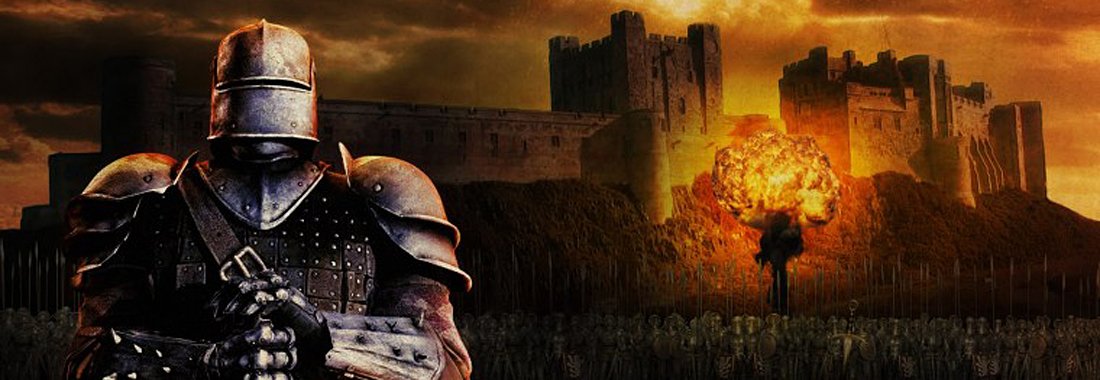
In the Middle Ages, knights served as elite, armored cavalry warriors who held a privileged military and social status. While they are most famous for their roles on the battlefield, their daily lives involved a mix of military duties, local governance, rigorous training, and courtly socialization. Their primary responsibilities and daily activities were divided into peacetime and wartime roles:
Wartime and Military Duties
• Elite Cavalry Warfare: Knights were the heavy shock troops of medieval armies. Fighting on powerful warhorses, they used weapons like lances, broadswords, and flails to break enemy lines.
• Feudal Service: Under the feudal system, knights were vassals to a lord or king. In exchange for land (fiefs), they typically owed their lord around 40 days of military service per year, which included fighting in wars, defending castles, and going on Crusades.
Peacetime and Local Governance
When not at war, a knight's role shifted from soldier to local authority figure:
• Enforcing the Law: Knights acted as the law enforcement officers of their lord's territory. They hunted down criminals, patrolled borders, and kept the peace.
• Administering Justice: They held the right of "high and low justice" in agrarian communities. This meant they presided over local manorial courts, resolving minor everyday disputes like property boundary arguments or the theft of livestock.
Land and Wealth Management: As landowners, they oversaw the peasants and serfs working their estates, managed agricultural production, and collected taxes for their lords.
Training and Tournaments
• Combat Practice: To stay sharp, knights spent hours practicing horsemanship and weapons handling.
• Competing in Tournaments: Tournaments were massive, spectator-friendly mock battles. Knights participated in jousts (one-on-one lance combat on horseback) and melees (team battles using blunted weapons) to win fame, prize money, and display their skills.
Court Life and Chivalry
• Upholding Chivalry: Knights were bound by a code of chivalry, which combined military virtue with Christian values. They took vows to defend the Church, protect the weak (such as widows and orphans), and speak the truth. However, historical records show that in reality, many knights were ruthless, often terrorizing commoners for wealth or power.
• Courtly Socializing: To maintain their status among the nobility, knights were expected to learn "gentlemanly" arts. This included practicing courtly dances, learning poetry, and joining their lords on elite hunting trips, which doubled as tactical riding practice.

Duties
